Hey there, fellow beard enthusiast! Let's be real, growing a magnificent beard is a journey filled with triumphs – the perfect trim, the silky-smooth feel, the compliments! But sometimes, our beard journey hits a little snag. And I'm not talking about a tangled knot; I'm talking about those super annoying, sometimes uncomfortable, ingrown hairs under your beard.
Yep, those little bumps can really put a damper on your beard game. They're a common complaint, and trust me, you're not alone if you've ever dealt with them. But don't you worry, my friend! This isn't a problem you have to just live with. Today, we're going to dive deep into understanding what causes them, how to gently treat them, and most importantly, how to prevent them from crashing your beard party in the first place. Think of this as your friendly guide to keeping your beard area happy and healthy. Let's get that beard looking its best!
What Exactly Are Ingrown Hairs Under Your Beard?
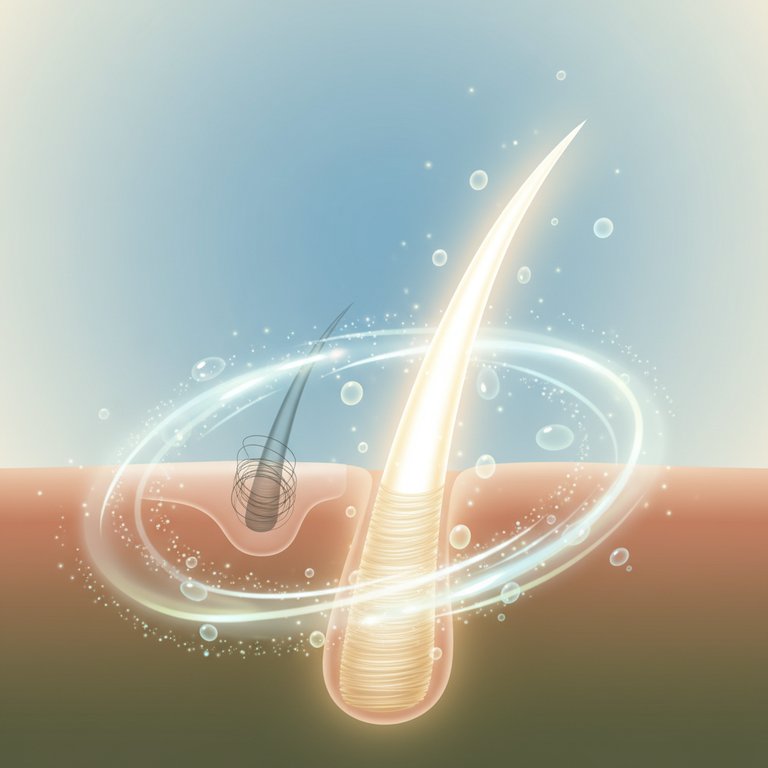
So, what's the deal with these little troublemakers? Simply put, an ingrown hair is a hair that, instead of growing outwards from your skin, curls back and grows into the skin. Imagine your hair trying to make an escape, but instead, it takes a U-turn and burrows back down. This can happen for a few reasons, especially with curly or coarse hair, which is super common in beards.
When a hair curls back into the skin, your skin might react to it as if it's a foreign object. This can lead to a small, often red bump, which can sometimes be a bit tender or itchy. It's your skin's way of saying, "Hey, something's not quite right here!" They usually appear after trimming or shaving, but they can pop up anytime a hair is trying to grow.
Why Do These Pesky Hairs Pop Up (or Down)?
Understanding the 'why' can really help us tackle the 'how to fix it.' Ingrown hairs don't just appear out of thin air; there are usually some common culprits at play:
Trimming or Shaving Habits
- Trimming Too Close: If you're using a trimmer or razor that cuts the hair very short, especially against the grain, the hair can have a sharper edge when it starts to grow back. This sharp edge can more easily penetrate the skin rather than growing out.
- Dull Blades: Using dull blades can tug at the hair rather than cutting it cleanly. This can lead to uneven cuts and hairs that are more prone to curling back.
- Improper Technique: Rushing your shave or trim, not preparing your skin, or using too much pressure can all contribute to the problem.
Skin and Hair Type
- Curly or Coarse Hair: If you have naturally curly or coarse beard hair, you might be more prone to ingrowns. The natural curl of the hair makes it easier for it to bend back into the skin.
- Dead Skin Cell Buildup: Sometimes, dead skin cells can block the opening of a hair follicle. When a new hair tries to grow, it gets trapped under this layer of skin and is forced to grow inwards.
Your Go-To Guide for Treating Ingrown Hairs
Alright, so you've got an ingrown hair. Don't panic! Here's a gentle, step-by-step approach to encourage that hair to grow in the right direction:
Step 1: Gentle Exfoliation is Your Friend
The first step is to gently clear away any dead skin cells that might be trapping the hair. You don't want to scrub aggressively, as this can irritate the skin further.
- Choose Wisely: Opt for a mild facial scrub or an exfoliating beard wash. Look for products with fine, gentle exfoliating particles.
- How To: Apply a small amount to your damp beard area and gently massage in small, circular motions. Focus on the area with the ingrown hair, but be gentle.
- Frequency: Do this a few times a week, not every day, especially when you have an ingrown hair.
Step 2: The Warm Compress Method
Warmth can work wonders by softening the skin and helping to open up the follicle, making it easier for the hair to emerge.
- Preparation: Soak a clean washcloth in warm (not hot!) water.
- Application: Wring out the excess water and apply the warm compress directly to the ingrown hair for about 5-10 minutes.
- Repeat: You can do this a couple of times a day. The warmth can help soothe the area and encourage the hair to surface.
Step 3: Careful Guidance (If Necessary)
If, after gentle exfoliation and warm compresses, you can see the loop of the hair just under the surface, you might be able to *gently* guide it out. This is where patience and cleanliness are paramount!
- Tools: Use sterilized tweezers with a pointed tip or a clean, fine needle. Make sure they are thoroughly cleaned before and after use.
- Technique: *Very gently* lift the hair loop from under the skin. Do not dig, poke, or try to pull the hair out if it's deeply embedded. The goal is just to free the tip of the hair so it can grow outwards.
- When to Stop: If the hair doesn't come out easily or if it causes any discomfort, stop immediately. Forcing it can lead to more irritation.
Step 4: Soothing and Moisturizing Aftercare
Once you've freed the hair (or even if you haven't), it's crucial to soothe and moisturize the area to prevent further irritation and aid recovery.
- Soothing Balm: Apply a small amount of a calming beard balm or a gentle, non-comedogenic moisturizer to the area. Look for ingredients that help calm the skin.
- Hydration: Continue to use your regular beard oil to keep the beard hair and skin hydrated. Hydrated skin is more flexible and less prone to trapping hairs.
Prevention is Key: Stop Them Before They Start
The best offense is a good defense, right? Preventing ingrown hairs is much easier than treating them. Here's how to keep your beard area smooth and happy:
Mastering Your Washing Routine
Keeping your beard and the skin beneath it clean is fundamental. Dirt, oil, and dead skin can all contribute to blocked follicles.
- Regular Washing: Use a dedicated beard wash a few times a week. This helps cleanse the hair and skin without stripping away natural oils.
- Conditioning: Follow up with a beard conditioner to keep your beard soft and manageable. Softer hair is less likely to curl back sharply.
The Power of Regular Exfoliation
This is a game-changer! Regular, gentle exfoliation helps remove dead skin cells that can block hair follicles.
- Frequency: Aim for 1-2 times a week.
- Technique: Use a mild facial scrub or an exfoliating brush designed for beards. Gently massage the skin under your beard.
Smart Trimming and Shaping
Your trimming technique can make a huge difference.
- Trim with the Grain: Whenever possible, trim your beard in the direction of hair growth. This helps prevent the hair from being cut too short or at an angle that encourages it to grow back into the skin.
- Sharp Tools: Always use sharp, clean clippers or a fresh razor blade. Dull tools tug at the hair, leading to uneven cuts and irritation.
- Prep Your Skin: Before trimming or shaving, always soften your beard with warm water and a good pre-shave oil or beard wash. This makes the hair easier to cut.
Hydration is Non-Negotiable
Well-hydrated skin is happy skin, and happy skin means fewer ingrowns.
- Beard Oil: This is your daily essential! Beard oil not only conditions your beard hair, making it softer and less prone to sharp edges, but it also moisturizes the skin underneath.
- Beard Balm: For extra conditioning and styling, a good beard balm can seal in moisture and keep your beard looking great.
Tips and Tricks from a Friend
From my own beard journey, I've picked up a few extra nuggets of wisdom that might help you out:
- Patience is a Virtue: Don't try to force an ingrown hair out. Be gentle, be consistent with your routine, and give your skin time to heal.
- Don't Pick! As tempting as it might be, picking at your skin can introduce bacteria and lead to more irritation. Keep your hands off!
- Consistency is Key: It's not about doing one big thing; it's about doing the small, right things consistently. Your beard and skin will thank you.
- Listen to Your Beard: Pay attention to what works for your unique beard and skin type. Every beard is a little different!
FAQ: Your Ingrown Hair Questions Answered!
Q: How do I know if it's an ingrown hair or just a normal bump?
A: Great question! A normal bump might just be a small pimple or a clogged pore. An ingrown hair typically has a visible hair strand either coiled up under the skin or poking out at an unusual angle, often with a small red bump around it. If you look closely, you might even see the dark loop of the hair under the skin's surface. Pimples are usually pus-filled and don't have a hair visible.
Q: Why do I keep getting ingrown hairs even though I try to be careful?
A: Even with careful grooming, some people are just more prone to ingrowns, especially if your beard hair is naturally curly or coarse. It could be that your trimming technique still needs a slight adjustment (e.g., trying to trim *with* the grain more consistently, or not trimming quite as close). Also, consistent exfoliation and daily moisturizing with beard oil are crucial steps that are often overlooked but make a huge difference in prevention.
Q: What should I do if an ingrown hair seems really stubborn and won't come out?
A: If an ingrown hair is deeply embedded or doesn't respond to gentle treatment, the best approach is patience and continued gentle care. Don't try to dig it out, as this can cause more irritation. Keep applying warm compresses, continue with your gentle exfoliation routine (a few times a week), and keep the area moisturized. Often, with consistent care, the hair will eventually work its way out on its own. If it causes significant discomfort, simply continue your gentle grooming routine and focus on keeping the area clean and moisturized.
Q: How long does it usually take for an ingrown hair to clear up with proper care?
A: The timeline can vary, but with consistent gentle care – like warm compresses, mild exfoliation, and moisturizing – you might see improvement within a few days to a week. If the hair is successfully freed, the bump should start to diminish fairly quickly. Patience is key; sometimes, it just takes a little time for your skin to calm down and the hair to re-route itself.
Q: Can I use a regular body scrub on my face to prevent ingrowns?
A: It's generally not recommended. Body scrubs often have much coarser exfoliating particles that can be too harsh for the delicate skin on your face and under your beard. Using something too abrasive can actually cause micro-tears and further irritation, potentially making ingrown hairs worse. Stick to a facial scrub or a beard-specific exfoliating wash that's designed for facial skin.
Q: Should I stop trimming my beard if I have a lot of ingrown hairs?
A: You don't necessarily have to stop trimming, but you might need to adjust your technique. Consider letting your beard grow a little longer between trims, or try trimming *with* the grain of your hair growth instead of against it. This reduces the chance of cutting the hair too short at an angle that encourages it to curl back into the skin. Also, ensure your trimming tools are sharp and clean!
Q: Is there a specific type of grooming brush that helps with prevention?
A: Absolutely! A good quality beard brush, especially one with natural bristles (like boar bristles), can be super helpful. Brushing your beard regularly helps to exfoliate the skin underneath, distribute your beard's natural oils and any applied beard oil, and encourages the hairs to grow in the correct, outward direction. This daily ritual can significantly reduce the chances of hairs curling back and becoming ingrown.
Conclusion
There you have it, my friend! Ingrown hairs under your beard might be a nuisance, but they're definitely not unconquerable. By understanding why they happen and adopting a consistent, gentle grooming routine, you can keep your beard and the skin beneath it happy, healthy, and ingrown-free. Remember, a great beard is a well-cared-for beard!
Keep up with your washing, conditioning, gentle exfoliation, smart trimming, and daily hydration, and you'll be well on your way to a smooth, comfortable, and magnificent beard. Here's to a fantastic beard journey!
Disclaimer: This content is for informational and cosmetic grooming purposes only and should not be considered professional advice. Always prioritize your comfort and well-being.